


Department
spine surgery
Surgery on the spine and spinal cord is performed using the latest equipment, minimally invasive methods and neuronavigation, which minimizes the need for long-term hospitalization of the patient, as well as the likelihood of intra- and postoperative complications.
Department of Neurosurgery - under the leadership of Professor Shota Ingorokva performs surgical interventions with the latest modern equipment.
1. Degenerative diseases of the spine
- Intervertebral disc herniation
- Instability of the spine
- Spinal stenosis
- Nerve root compression
- Osteochondrosis of the spine
- Osteoporotic (non-traumatic) fractures of the vertebrae
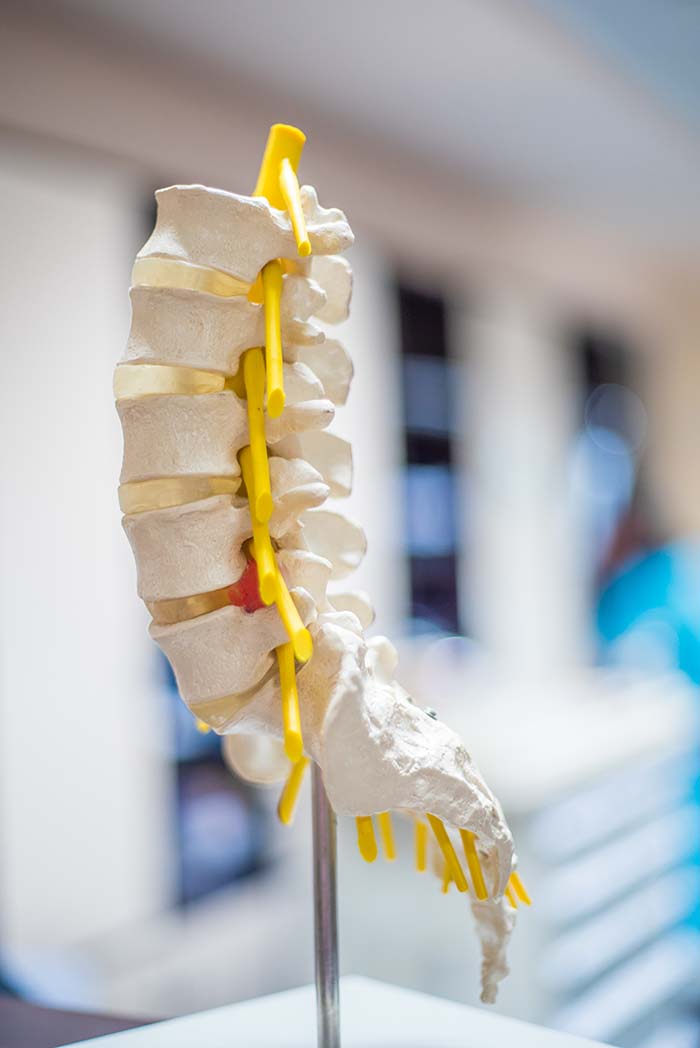
2. Spine injuries
Surgical treatment is performed by microsurgical method, stabilization of the spine, intraoperative use of neuronavigation and neuroimaging, when necessary, full prosthesis of the body of the spine.
- Spinal cord fractures
- Traumatic dislocations of the vertebrae
- Traumatic spondylolisthesis
- Traumatic rupture of the intervertebral disc
- Spinal epidural and subdural hematomas
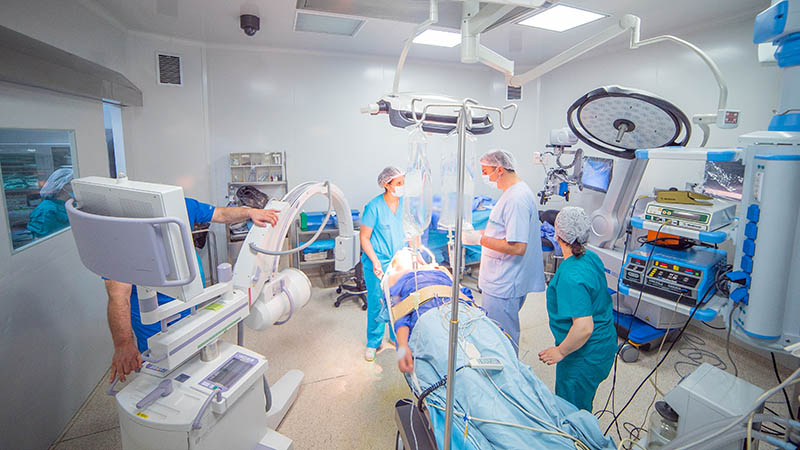
Individual approach to treatment – calculation of the sagittal balance of the spine
Maintaining the total balance of the physiological curvatures of the spine in order to avoid expected complications in the future.
3. Tumor diseases of the spine
The use of neuronavigation in spinal surgery allows us to intraoperatively accurately differentiate the borders of the spread of tumor tissue in order to cause minimal damage to healthy tissues and to preserve the stability of the spine as much as possible.
Professor Shota Ingorokva performs an individual assessment of the patient, after which surgical treatment is planned for the following pathologies:
- Primary tumors of the spinal cord
- Secondary, metastatic lesions of spinal cords
- Benign and malignant tumors of the spinal cord


