


Department
Brain surgery
At the Ingorokva University Clinic ("HTMC"), surgical treatment of various brain pathologies is carried out according to the latest international standards, where any patient can receive full services, both outpatient and inpatient. We have the latest diagnostic and treatment equipment and a team of qualified doctors. If necessary, our neurosurgeons perform brain surgeries of virtually any complexity.
Brain tumors
The Department of Neurosurgery of the Ingorokva University Clinic (HTMC) offers optimal, complex treatment of brain tumors, which includes surgical resection, radio and radiation therapy in one space. The use of modern microsurgical techniques, intraoperative optics and neuronavigation allows us to ensure maximum tumor resection with minimal risks and complications.
In the case of primary intracranial tumors, and especially gliomas, it is particularly difficult to determine the borders of the tumor. Their infiltrative nature makes it difficult to completely excision of the tumor, which increases the frequency of postoperative recurrences.
Therefore, in our clinic, the metabolic-fluorescence method using 5 ALA (5 aminolevulenic acid) is used for intraoperative visualization of tumor tissue and radical resection. In 2011, for the first time in Georgia, together with Austrian professors, an operation was performed in our clinic, and subsequently, the use of this method was successfully introduced in the case of gliomas.
- Neuroepithelial tumors (glioma, ependymoma, astrocytoma)
- T.T. Tumors of the membranes (meningiomas)
- Brain tumors (neurinomas)
- Secondary (metastatic) brain tumors
- Pituitary Tumors — In our clinic, the majority of pituitary tumors are excised through a transnasal (through the nose), transsphenoidal approach, which means that the surgery is performed without a fee and allows us to avoid unnecessary trauma to the brain tissue.
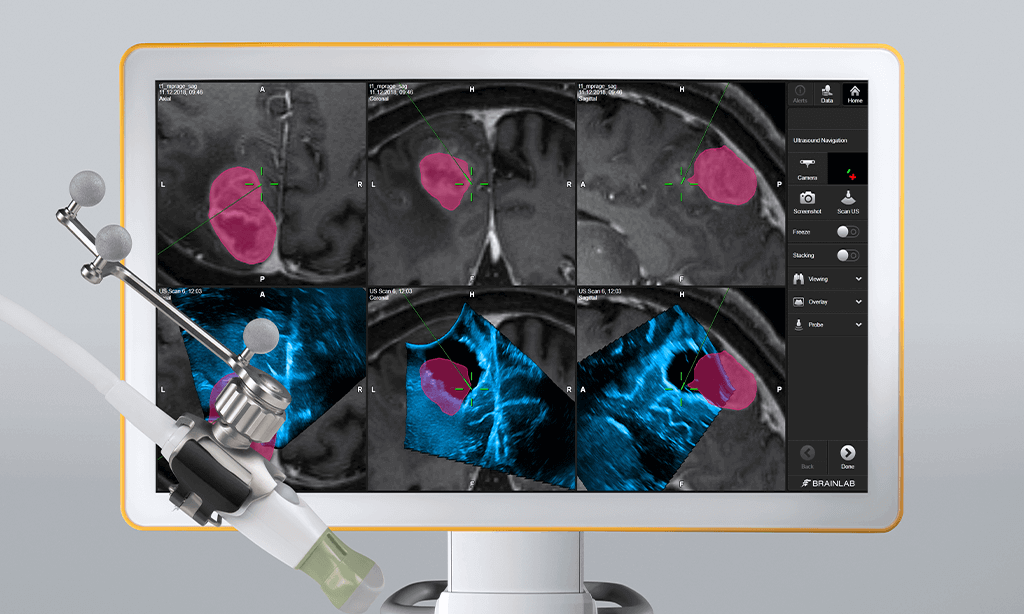
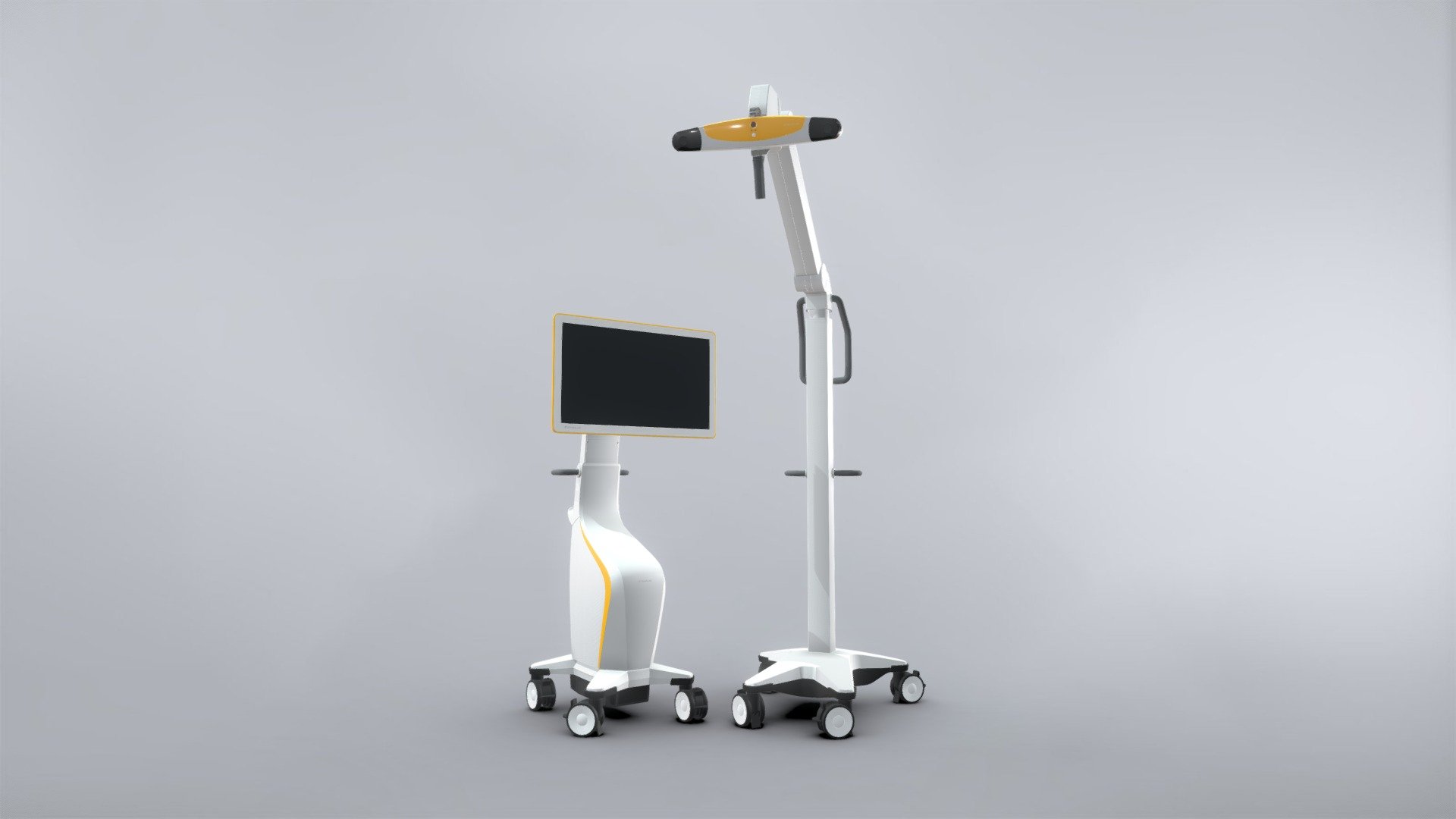
Neuronavigation
Since 2016, neuronavigation has been introduced at Ingorokva University Clinic.
Navigation-guided surgery (biopsy) is currently the most effective method in the therapy and diagnosis of tumors of the nervous system, which is used in all leading European clinics.
- Improves operational visualization, which excludes damage to critically and strategically important structures of the brain.
- It allows surgical intervention to be carried out with a minimally invasive method and therefore reduces surgical risks, increases the effectiveness of surgery and improves the outcome.


Cyber knife
The Cyber Knife is the only robotic radiosurgery system designed for non-invasive treatment of cancerous and non-cancerous tumors.
This universal device can irradiate any area of the body with high dose and sub-millimeter precision along with continuous image control of the process. It has high accuracy and degree of freedom of movement of the robot.
The equipment enables stereotaxic radiosurgery and radiotherapy treatment of the patient, which can be used as an alternative to traditional radiotherapy or for the treatment of inoperable, surgically difficult-to-access tumors.


Vascular diseases of the brain
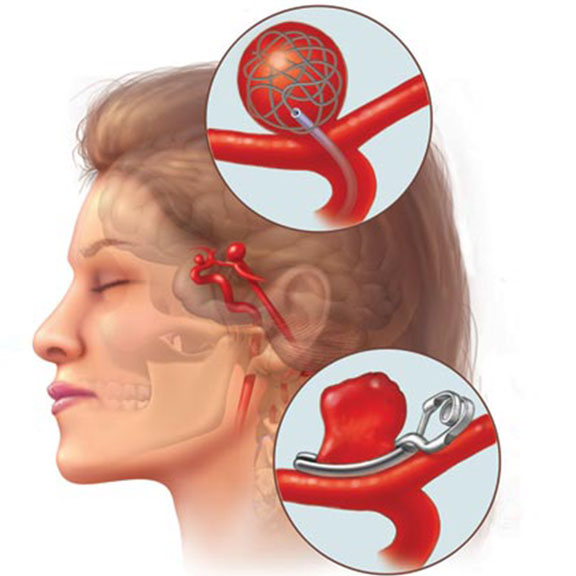
The Department of Neurosurgery of the Ingorokva University Clinic (HTMC) has extensive experience in the surgical treatment of vascular diseases of the central nervous system. Our operating room is equipped with the latest generation microscope "HAAG-STREIT SURGICAL HS 5-1000", which has the function of fluorescence angiography, which allows us to perform angiography intraoperatively, evaluate the diameter of the vascular lumen and other vascular pathologies, which reduces the risk of postoperative complications.
- Arterial Aneurysms
- Arterio-venous malformations
- Cavernomas (cavernous malformations, cavernous angiomas)
- Hemorrhagic stroke
- Venous angiomas


Brain injuries
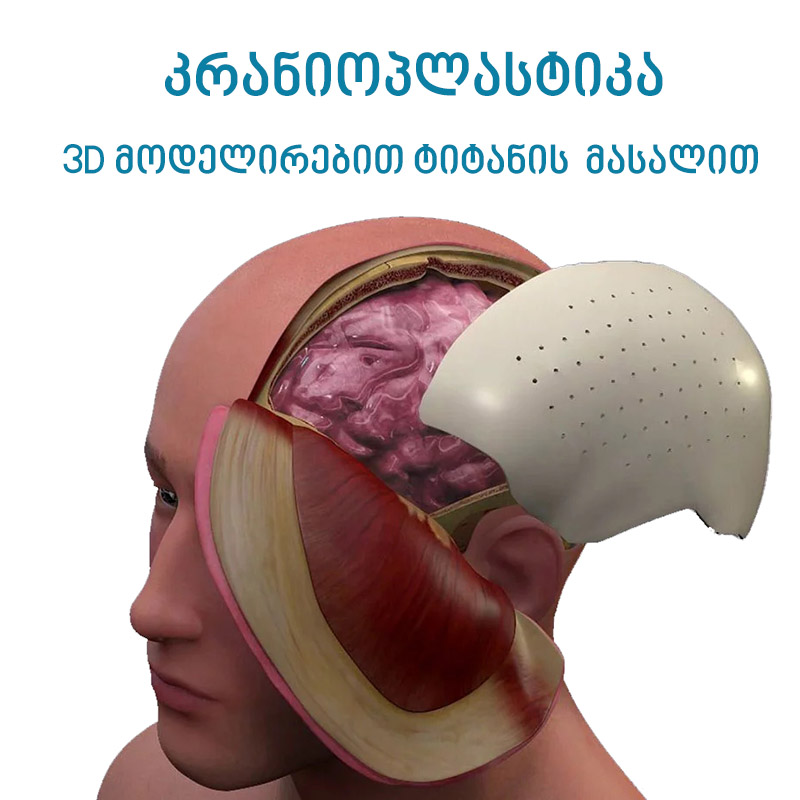
Ingorokva University Clinic (HTMC) diagnoses and treats brain injuries 24 hours a day. A multidisciplinary approach and the use of reconstructive methods significantly improve the quality of life in patients with traumatic brain injuries. Our specialists perform operations of virtually any complexity using the latest equipment.
- Traumatic epidural hematoma
- Traumatic subarachnoid hematoma
- Chronic subdural hematoma
- Traumatic intracerebral hematoma
- basal liquor
- Skull base fracture (with or without liquefaction)
- Fracture of the skull
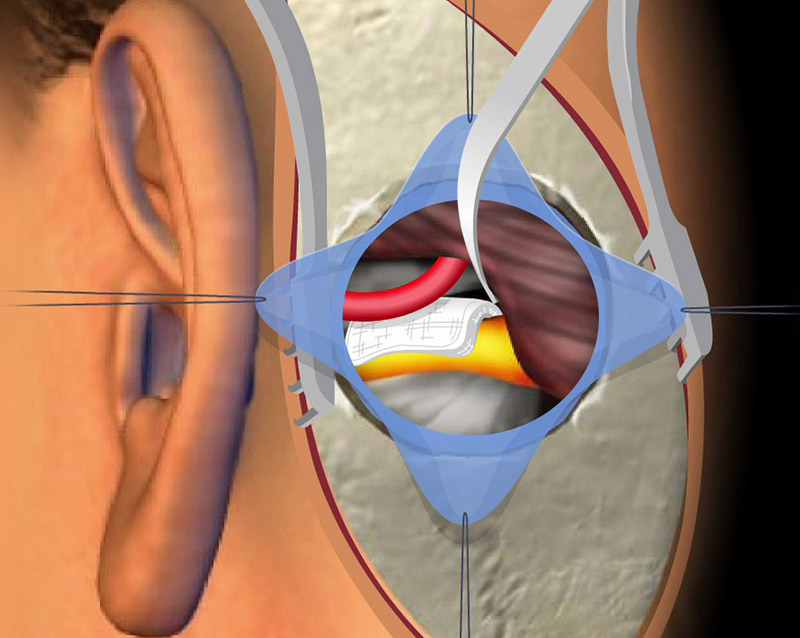
Surgical treatment of trigeminal neuralgia
The gold standard for surgical treatment of trigeminal neuralgia is microvascular decompression of the nerve, which is used in the presence of neurovascular conflict, which is the cause of the mentioned pathology in 80-90% of cases.
hydrocephalus (water on the brain)
Hydrocephalus is a pathological condition in which the amount of cerebrospinal fluid (CSF) in the skull increases, which in turn causes an increase in intracranial pressure and deterioration of the general condition of the patient. In our clinic, surgical treatment of hydrocephalus is carried out by all possible methods:
- Ventriculo-peritoneal shunting
- Ventriculo-atrial shunting
- Drainage of cerebrospinal fluid